Memory ICs
Subcategories
Products (183)
K4B4G1646F-BYMA - 4Gb DDR3L SDRAM 256Mx16 | Samsung
The Samsung K4B4G1646F-BYMA is a 4-gigabit DDR3L SDRAM organized as 256M x 16, operating at 1.35V (1.28V~1.45V) and 1.5V (1.425V~1.575V). It comes in a 96-ball FBGA package with lead-free and halogen-free construction. This memory device supports data rates up to 1866 Mbps (PC3-14900) and features auto precharge, asynchronous reset, dynamic on-chip termination (DTC), ZQ calibration, and data mask functions. The operating temperature range is -40°C to +95°C, making it suitable for industrial and automotive applications. DDR3L SDRAM is a type of double data rate synchronous dynamic random-access memory that operates at a lower voltage (1.35V) compared to standard DDR3 (1.5V), reducing power consumption by about 20%. It is part of the DDR3 family, which uses an 8n-prefetch architecture to achieve high bandwidth. DDR3L is widely used in computing, networking, and embedded systems where power efficiency is critical. Key features include a 16-bit I/O interface, programmable CAS latency, burst lengths of 8 and 4 (with burst chop), on-die termination (ODT) for signal integrity, and a temperature-compensated self-refresh (TCSR) mode. The device supports DLL (Delay-Locked Loop) enabled mode for precise timing and has a 1KB page size. The FBGA-96 package provides a compact footprint suitable for high-density PCB designs. Technically, the K4B4G1646F-BYMA uses a 30nm-class process technology, enabling high density with low power. It incorporates a pseudo-open-drain interface for data strobe (DQS) and supports write leveling, read/write training, and multi-purpose register (MPR) for system calibration. The device is designed to meet JEDEC DDR3L standards, ensuring compatibility with standard memory controllers. Typical applications include laptops, servers, networking equipment, industrial PCs, and automotive infotainment systems. Its low voltage and wide temperature range make it ideal for battery-powered and thermally constrained environments. The 256M x 16 organization is suitable for systems requiring high-density memory with a 16-bit data bus. When designing with this device, ensure proper decoupling capacitors near the VDD and VDDQ pins, and follow the PCB layout guidelines for DDR3 routing to maintain signal integrity. The ZQ pin requires a 240-ohm resistor to ground for calibration.
K4B4G1646I-BYK0 - 4Gb DDR3L SDRAM 256Mx16 | Samsung
The Samsung K4B4G1646I-BYK0 is a 4Gb DDR3L SDRAM organized as 256M x 16, operating at 1.35V with a data rate of 1866 Mbps (933 MHz clock). It is housed in a 96-ball FBGA package, offering high density and low power consumption for mobile and embedded applications. DDR3L SDRAM (Double Data Rate 3 Low Voltage) is a type of synchronous dynamic random-access memory that operates at 1.35V, reducing power consumption by about 20% compared to standard 1.5V DDR3. It is part of the DDR3 memory family, which uses double data rate signaling to transfer data on both edges of the clock, and is widely used in laptops, servers, and embedded systems where power efficiency is critical. Key features include a 4Gb density, 16-bit I/O width, 1.35V core voltage, and support for data rates up to 1866 Mbps. The device features on-die termination (ODT), programmable CAS latency, and burst lengths of 8 and 4. It also includes auto-refresh and self-refresh modes for power saving, making it suitable for battery-powered devices. The K4B4G1646I-BYK0 uses a high-performance CMOS process and a bank architecture of 8 banks, enabling high-speed random access. The FBGA-96 package provides excellent thermal and electrical performance, with a ball pitch of 0.8mm. The device supports a temperature range of 0°C to 95°C (case temperature), ensuring reliable operation in various environments. Typical applications include mobile devices, embedded computing, networking equipment, and industrial automation. Its low voltage and high density make it ideal for memory-intensive applications where space and power are constrained. When designing with this memory, ensure proper decoupling capacitors near the power pins and follow the layout guidelines in the datasheet to minimize signal integrity issues. The device requires a stable 1.35V supply and a reference voltage (VREF) for the I/O.
K4B4G1646Q - 4Gb DDR3L SDRAM x16 96FBGA | Samsung
The Samsung K4B4G1646Q is a 4Gb (256Mx16) Q-die DDR3L SDRAM in a 96-ball FBGA package, operating at 1.35V. It is a high-density, low-power memory solution designed for a wide range of computing and embedded applications. DDR3L (Double Data Rate 3 Low Voltage) SDRAM is a type of synchronous dynamic random-access memory that operates at a reduced I/O voltage of 1.35V, compared to standard DDR3's 1.5V. This lower voltage reduces power consumption by approximately 15-20%, making it ideal for power-sensitive devices such as laptops, servers, and industrial systems. DDR3L is part of the DDR3 memory family, which uses an 8n-prefetch architecture to achieve high data rates, and is a predecessor to DDR4. Key features of the K4B4G1646Q include a 16-bit data bus, a data rate of up to 1866 Mbps (PC3-14900), and a 96-ball FBGA package. It is lead-free and halogen-free, and RoHS compliant. The device supports a burst length of 8 (BL8) and on-die termination (ODT) for improved signal integrity. It also features programmable CAS latency and additive latency, allowing system designers to optimize performance. Technically, the K4B4G1646Q uses Samsung's Q-die process technology, which is a 20nm-class DRAM process. This advanced process node enables higher density and lower power consumption compared to older D-die or E-die variants. The device includes an internal temperature sensor for self-refresh rate control, which helps manage power in thermally constrained environments. Typical applications include main memory for laptops and ultrabooks, embedded systems, networking equipment, and industrial PCs. Its low voltage and high density make it suitable for designs where power efficiency and board space are critical. When designing with this device, ensure proper decoupling capacitors are placed near the power pins, and follow the layout guidelines in the datasheet for the 96-ball FBGA package to maintain signal integrity at high data rates.
K4F8E304HB-MGCJ - 8Gb LPDDR4 3733Mbps | Samsung | Mobile DRAM
The Samsung K4F8E304HB-MGCJ is a high-performance LPDDR4 mobile DRAM memory IC, organized as 8Gb x32 with a data rate of up to 3733 Mbps. It operates at a low voltage of 1.1V, making it ideal for power-sensitive applications such as ultra-thin devices, AI, VR, and wearables. The device is housed in a 200-ball FBGA package, enabling compact and high-density system designs. LPDDR4 (Low Power Double Data Rate 4) is a type of synchronous DRAM designed for mobile and embedded applications, offering high bandwidth with reduced power consumption compared to DDR3/DDR4. It is part of the memory hierarchy that includes DRAM, SDRAM, and volatile memory, serving as the main working memory for processors in smartphones, tablets, and embedded systems. Key features include an 8Gb density, x32 data bus width, 3733 Mbps data rate, and 1.1V operation. The low voltage reduces power consumption, extending battery life in portable devices. The high data rate supports bandwidth-intensive applications like AI inference, high-resolution video, and gaming. The FBGA-200 package provides excellent thermal and electrical performance. Technically, the K4F8E304HB-MGCJ utilizes Samsung's advanced DRAM process technology, achieving high speed and low power. It supports various power-saving modes, including deep power down and self-refresh, to minimize idle power. The device is compliant with JEDEC LPDDR4 standards, ensuring interoperability with a wide range of processors and controllers. Typical applications include smartphones, tablets, AI accelerators, VR headsets, and wearable devices. Its high bandwidth and low power make it suitable for edge AI, real-time data processing, and high-resolution displays. The device is also used in industrial controllers and computing modules where reliability and performance are critical. When designing with this memory, ensure proper signal integrity by following layout guidelines for high-speed interfaces, including controlled impedance and minimal trace lengths. Adequate decoupling capacitors near the power pins are essential to maintain stable operation.
MT29F1G08ABAEAWP-IT:E - 1Gbit SLC NAND Flash | Micron
The Micron MT29F1G08ABAEAWP-IT:E is a 1Gbit (128MB) SLC NAND Flash memory device organized as 128M x 8 bits. It operates from a 3.3V power supply and is housed in a 48-pin TSOP package. This device is designed for high-reliability data storage in embedded systems, offering fast read and program/erase operations with a simple parallel interface. NAND Flash is a non-volatile memory technology that stores data in floating-gate transistors, providing high density and low cost per bit. It is widely used in solid-state drives, memory cards, and embedded storage. The SLC (Single-Level Cell) variant stores one bit per cell, offering superior endurance and reliability compared to MLC or TLC, making it ideal for industrial and automotive applications where data integrity is critical. Key features include a 3.3V supply voltage, 25ns read access time, and a page size of 2048 bytes with 64 bytes of spare area. The device supports block erase, page program, and page read operations, with a typical program time of 200us and erase time of 2ms. It also features a hardware write-protect pin and a ready/busy output for status monitoring. The MT29F1G08ABAEAWP-IT:E uses a standard NAND interface with multiplexed address/data lines, enabling simple integration with microcontrollers and SoCs. The TSOP-48 package is widely used in embedded designs, providing a compact footprint with reliable soldering. The device is RoHS compliant and operates over an industrial temperature range of -40C to +85C. Typical applications include boot memory for embedded systems, firmware storage in networking equipment, data logging in industrial controllers, and code storage in automotive electronics. Its high endurance and industrial temperature rating make it suitable for harsh environments. When designing with this device, ensure proper decoupling on the power supply and follow the recommended layout for the TSOP package. The write-protect pin should be tied to a known state to prevent accidental writes during power-up.
MT40A1G8SA-062E - 8Gb DDR4 SDRAM 3200MT/s | Micron
The Micron MT40A1G8SA-062E is an 8Gb DDR4 SDRAM organized as 1G x 8, operating at a data rate of 3200 MT/s (DDR4-3200) with a 1.6 GHz clock. It is housed in a 78-ball FBGA package (7.5x11 mm) and operates from a 1.2V supply (VDD = VDDQ = 1.2V ±60mV) with a separate 2.5V VPP supply. This device supports on-die, internal, adjustable VREFDQ generation and 1.2V pseudo open-drain I/O, ensuring signal integrity in high-speed systems. DDR4 SDRAM (Double Data Rate 4 Synchronous Dynamic Random-Access Memory) is a type of volatile memory that transfers data on both edges of the clock, doubling the data rate. It is the industry standard for main memory in servers, desktops, and laptops, offering higher bandwidth and lower power than DDR3. DDR4 operates at 1.2V, reducing power consumption by 20% compared to DDR3's 1.5V, and supports advanced features like on-die termination (ODT), write leveling, and error correction (ECC) in some variants. Key features include a refresh time of 8192 cycles with temperature-dependent refresh rates: 64ms at -40°C to 85°C, 32ms at >85°C to 95°C, and 16ms at >95°C to 105°C (for industrial temperature range). The device supports auto self-refresh, write leveling, dynamic on-chip termination, CRC function, auto precharge, and ZQ calibration. It has 16 internal banks (4 bank groups of 4 banks) for improved performance. The MT40A1G8SA-062E uses a 1x nm DRAM process technology, enabling high density with low power. The 78-ball FBGA package provides excellent thermal and electrical performance, with a ball pitch of 0.8 mm. The device is designed for high-speed operation with a CAS latency of 22 (CL22) at 3200 MT/s, and supports burst lengths of 8 and 4 (with burst chop). Typical applications include servers, data centers, networking equipment, and high-performance computing systems where high bandwidth and capacity are critical. The 8Gb density and x8 organization make it suitable for memory modules (DIMMs) and embedded systems requiring large memory footprints. When designing with this device, ensure proper decoupling of the VDD and VPP supplies, and follow the PCB layout guidelines for DDR4 routing to maintain signal integrity at 3200 MT/s. The device requires a stable 1.2V supply and a 2.5V VPP supply for wordline boost.
MT40A1G8SA-075:E - 8Gb DDR4 SDRAM 1.33GHz | Micron
The Micron MT40A1G8SA-075:E is a high-performance DDR4 SDRAM component organized as 1G x 8, providing 8Gbit of memory density. It operates at a clock speed of 1.33 GHz (DDR4-2666) with a parallel interface, housed in a compact 78-ball FBGA package measuring 7.5x11 mm. This device is designed for a wide range of computing, networking, and industrial applications requiring high bandwidth and low power consumption. DDR4 SDRAM (Double Data Rate 4 Synchronous Dynamic Random-Access Memory) is a type of volatile memory that transfers data on both rising and falling edges of the clock signal, effectively doubling the data rate. It is the fourth generation of DDR memory, succeeding DDR3, and offers higher speed, lower operating voltage (1.2V), and improved power efficiency. DDR4 is a critical component in modern computing systems, servers, and embedded devices, forming the main memory hierarchy alongside storage and cache. Key features of the MT40A1G8SA-075:E include a supply voltage of VDD = VDDQ = 1.2V ±60mV, with VPP at 2.5V (-125mV, +250mV). It supports on-die, internal, adjustable VREFDQ generation and 1.2V pseudo open-drain I/O. The device offers a refresh time of 8192 cycles with temperature-dependent refresh rates: 64ms at -40°C to 85°C, 32ms at >85°C to 95°C, and 16ms at >95°C to 105°C. Additional features include write leveling, dynamic on-chip termination, CRC function, and data mask function, ensuring signal integrity and reliable operation. Technically, the MT40A1G8SA-075:E utilizes Micron's advanced DRAM process technology, achieving high density and performance while maintaining low power. The 78-ball FBGA package with a 7.5x11 mm footprint is optimized for space-constrained PCB designs, offering excellent thermal and electrical characteristics. The device supports a data rate of 2666 MT/s, providing a peak bandwidth of 21.3 GB/s per module (when paired with a 64-bit bus). Typical applications include high-performance computing, servers, networking equipment (routers, switches), and industrial automation systems. Its high speed and reliability make it suitable for memory-intensive tasks such as data analytics, virtualization, and real-time processing. The low operating voltage contributes to energy-efficient designs, crucial for data centers and battery-powered devices. When designing with this component, ensure proper decoupling capacitors near the power pins and follow the layout guidelines in the Micron datasheet to minimize signal integrity issues. The device requires a stable 1.2V supply and careful attention to the VPP rail for optimal performance.
MT40A1G8WE-075E - 8Gb DDR4 SDRAM 1.33GHz | Micron
The Micron MT40A1G8WE-075E is a high-performance DDR4 SDRAM component organized as 1G x 8, providing 8Gbit of memory density. It operates at a clock speed of 1.33 GHz (DDR4-2666) and is housed in a compact 78-ball FBGA (8x12mm) package, making it suitable for space-constrained applications requiring high bandwidth and low power consumption. DDR4 SDRAM (Double Data Rate 4 Synchronous Dynamic Random-Access Memory) is the fourth generation of DDR memory, offering higher speed and lower power than its predecessors. It uses a 1.2V supply (VDD and VDDQ) with a separate 2.5V VPP for wordline boost, and features on-die termination (ODT), internal VREFDQ generation, and pseudo-open-drain I/O. DDR4 achieves data rates up to 3200 MT/s, with the -075E speed grade indicating 2666 MT/s operation. Key features include a refresh time of 8192 cycles at TC temperature range: 64ms at -40°C to 85°C, 32ms at >85°C to 95°C, and 16ms at >95°C to 105°C. The device supports on-die, internal, adjustable VREFDQ generation and 1.2V pseudo-open-drain I/O. It is available in industrial temperature grades (AIT) and standard temperature grades, with options for automotive (AEC-Q100) qualification in some variants. Technically, the MT40A1G8WE-075E utilizes Micron's advanced DRAM process technology, achieving high density with low power consumption. The 78-ball FBGA package provides excellent thermal and electrical performance, with a ball pitch of 0.8mm. The device supports burst lengths of 8 and 4, and features programmable CAS latency, additive latency, and write recovery time. Typical applications include servers, networking equipment, high-performance computing, and embedded systems requiring high memory bandwidth. The 1G x 8 organization is ideal for error-correcting code (ECC) modules and systems with multiple memory channels. When designing with this component, ensure proper decoupling capacitors near the VDD and VDDQ pins, and follow Micron's layout guidelines for DDR4 routing to maintain signal integrity at 2666 MT/s.
MT40A512M16HA-083E - 8Gbit DDR4 SDRAM 512Mx16 | Micron
The Micron MT40A512M16HA-083E is a high-performance DDR4 SDRAM component organized as 512M x 16, providing 8Gbit of memory density. It operates from a 1.2V VDD and VDDQ supply, with a VPP of 2.5V, and supports data rates up to 1.2 GHz (DDR4-2400). The device is housed in a 96-ball FBGA package (9x14mm) and is designed for a wide range of computing, networking, and industrial applications. DDR4 SDRAM (Double Data Rate 4 Synchronous Dynamic Random-Access Memory) is a type of volatile memory that transfers data on both edges of the clock signal, effectively doubling the data rate. It is the successor to DDR3, offering higher bandwidth, lower operating voltage (1.2V vs 1.5V), and improved signal integrity through on-die termination (ODT) and internal VREF generation. DDR4 is a critical component in modern computing systems, from servers and data centers to embedded and automotive platforms, where high-speed data processing and reliability are paramount. Key features of the MT40A512M16HA-083E include a 1.2V pseudo open-drain I/O interface, on-die internal adjustable VREFDQ generation, and a refresh time of 8192 cycles with temperature-dependent refresh rates: 64ms at -40°C to 85°C, 32ms at >85°C to 95°C, and 16ms at >95°C. The device supports a parallel interface with a 16-bit data bus, making it suitable for applications requiring high memory bandwidth in a compact footprint. Technically, the MT40A512M16HA-083E utilizes Micron's advanced DRAM process technology, ensuring low power consumption and high reliability. The 96-ball FBGA package provides excellent thermal and electrical performance, with a ball pitch of 0.8mm. The device is RoHS compliant and supports industrial temperature ranges, making it suitable for harsh environments. Typical applications include high-performance servers, networking equipment (routers, switches), data storage systems, and industrial computing platforms. Its 8Gbit density and x16 organization allow for flexible memory configurations, enabling designers to achieve the desired memory capacity and bandwidth. When designing with this DDR4 component, it is essential to ensure proper signal integrity by following Micron's layout guidelines, including controlled impedance traces and adequate decoupling. The device requires a stable 1.2V supply and a 2.5V VPP for wordline boost, which should be generated with low-noise regulators.
MT40A512M16JY-075E - 8Gb DDR4 SDRAM 512Mx16 | Micron
The Micron MT40A512M16JY-075E is a high-performance DDR4 SDRAM component organized as 512M x 16, providing 8Gbit of memory density. It operates at a clock frequency of 1.33 GHz (DDR4-2666) and is housed in a 96-ball FBGA (8x14) package, designed for surface mounting. This memory IC supports a supply voltage of 1.14V to 1.26V for VDD and VDDQ, with VPP at 2.5V (-125mV, +250mV). It features on-die, internal, adjustable VREFDQ generation and 1.2V pseudo open-drain I/O, making it suitable for a wide range of computing and embedded applications. DDR4 SDRAM (Double Data Rate 4 Synchronous Dynamic Random-Access Memory) is a type of volatile memory that transfers data on both edges of the clock signal, doubling the data rate compared to single-data-rate SDRAM. It is the fourth generation of DDR memory, offering higher speed, lower power consumption, and increased density compared to DDR3. DDR4 operates at a lower voltage (1.2V) than DDR3 (1.5V), reducing power consumption and heat generation. It is widely used in servers, desktops, laptops, and embedded systems where high bandwidth and capacity are required. Key features of the MT40A512M16JY-075E include a refresh time of 8192 cycles, with 64ms at -40°C to 85°C, 32ms at >85°C to 95°C, and 16ms at >95°C. It supports auto precharge, data mask, dynamic on-chip termination, write leveling, auto self-refresh, and CRC functions. The device is RoHS compliant and operates over a temperature range of 0°C to +95°C (TC). These features ensure reliable operation in demanding environments. Technically, the MT40A512M16JY-075E utilizes Micron's advanced DRAM process technology, enabling high-speed data transfer with low power consumption. The 96-ball FBGA package provides excellent thermal and electrical performance, with a compact footprint suitable for space-constrained designs. The device supports a parallel interface, simplifying integration with memory controllers. Typical applications include high-performance computing, servers, networking equipment, and industrial systems where high memory bandwidth and capacity are critical. The 512M x 16 organization is ideal for systems requiring 16-bit data bus width, such as embedded processors and FPGAs. When designing with this component, ensure proper decoupling capacitors are placed near the VDD and VDDQ pins to minimize noise. Follow the PCB layout guidelines in the Micron DDR4 datasheet to maintain signal integrity at high speeds.
MT40A512M16JY-07EAIT:B - 8Gb DDR4 SDRAM 512Mx16 | Micron
The Micron MT40A512M16JY-07EAIT:B is a high-performance DDR4 SDRAM component organized as 512M x 16, providing 8Gbit of memory density. It operates at a clock frequency of 1.33 GHz (DDR4-2666) and is housed in a 96-ball FBGA (8x14) package. This device is designed for a wide range of computing, networking, and industrial applications requiring high bandwidth and reliability. DDR4 SDRAM (Double Data Rate 4 Synchronous Dynamic Random-Access Memory) is a type of volatile memory that transfers data on both edges of the clock signal, effectively doubling the data rate. It operates at a lower voltage (1.2V) compared to DDR3 (1.5V), reducing power consumption while offering higher speed and density. DDR4 is the industry standard for modern servers, desktops, and embedded systems, providing a balance of performance, capacity, and energy efficiency. Key features of the MT40A512M16JY-07EAIT:B include a supply voltage of VDD = VDDQ = 1.2V ±60mV, VPP = 2.5V, and on-die, internal, adjustable VREFDQ generation. It supports 1.2V pseudo open-drain I/O and has a refresh time of 8192 cycles at TC temperature range: 64ms at -40°C to 85°C, 32ms at >85°C to 95°C, and 16ms at >95°C to 105°C. The device is AEC-Q100 qualified (indicated by the 'AIT' suffix), making it suitable for automotive applications. The MT40A512M16JY-07EAIT:B utilizes Micron's advanced DRAM process technology, offering high reliability and performance. It features programmable data strobe preambles, on-die termination (ODT), and write leveling for improved signal integrity. The 96-ball FBGA package provides a compact footprint while enabling high-speed operation with minimal parasitic inductance. Typical applications include automotive advanced driver-assistance systems (ADAS), infotainment systems, networking equipment, servers, and high-performance computing. Its automotive qualification and wide temperature range make it ideal for under-the-hood and in-cabin electronics. When designing with this device, ensure proper decoupling capacitors are placed close to the VDD and VDDQ pins to minimize power supply noise. Follow Micron's layout guidelines for DDR4 routing to maintain signal integrity at 1.33 GHz.
MT40A512M16LY-062E - 8Gb DDR4 SDRAM 512Mx16 | Micron
The Micron MT40A512M16LY-062E is an 8Gb DDR4 SDRAM organized as 512M x 16, operating at DDR4-3200 speed grade with a 1.6 GHz clock. It comes in a 96-ball FBGA package (7.5x13.5 mm) and supports a 1.2V supply voltage (VDD = VDDQ = 1.2V ±60mV) with a separate 2.5V VPP supply. This memory IC is designed for high-performance computing, networking, and industrial applications requiring high density and bandwidth. DDR4 SDRAM (Double Data Rate 4 Synchronous Dynamic Random-Access Memory) is a type of volatile memory that transfers data on both edges of the clock, doubling the data rate. It is the fourth generation of DDR memory, succeeding DDR3, and offers higher speed, lower power consumption, and increased density. DDR4 operates at 1.2V, reducing power compared to DDR3's 1.5V, and supports advanced features like on-die termination (ODT), write leveling, and dynamic on-chip termination for improved signal integrity. Key features include 16 internal banks (2 groups of 4 banks for x16), on-die internal adjustable VREFDQ generation, 1.2V pseudo open-drain I/O, and a refresh time of 8192 cycles with 64ms at -40°C to 85°C, 32ms at >85°C to 95°C, and 16ms at >95°C to 105°C (for IT grade). The device supports auto self-refresh, write leveling, CRC function, data mask, auto precharge, asynchronous reset, and ZQ calibration. It is available in industrial temperature grade (-40°C to +95°C) and automotive AAT grade (-40°C to +105°C). The MT40A512M16LY-062E uses Micron's advanced DRAM process technology, providing high reliability and performance. The 96-ball FBGA package with a 7.5x13.5 mm footprint is optimized for high-density PCB layouts, and the device supports data rates up to 3200 MT/s, making it suitable for memory-intensive applications. Typical applications include servers, data centers, networking equipment, and high-end computing systems where high bandwidth and capacity are critical. The industrial temperature grade makes it suitable for embedded and industrial systems operating in harsh environments. When designing with this DDR4 device, ensure proper termination and signal integrity practices, including controlled impedance traces and appropriate decoupling capacitors. The device requires a stable 1.2V supply and a 2.5V VPP supply, and the ZQ pin must be connected to a 240Ω resistor to ground for calibration.
MT40A512M16LY-075 - 8Gb DDR4 SDRAM 512Mx16 | Micron
The Micron MT40A512M16LY-075 is a high-performance 8Gb DDR4 SDRAM organized as 512M x 16, operating at a clock speed of 1.33 GHz (DDR4-2666). It is housed in a 96-ball FBGA package (7.5x13.5 mm) and is designed for a wide range of computing, networking, and industrial applications. This memory device operates from a 1.2V supply (VDD = VDDQ = 1.2V ±60mV) with a separate 2.5V VPP supply, ensuring low power consumption while delivering high bandwidth. DDR4 SDRAM (Double Data Rate 4 Synchronous Dynamic Random-Access Memory) is a type of volatile memory that transfers data on both edges of the clock signal, effectively doubling the data rate. It is the fourth generation of DDR memory, succeeding DDR3, and offers higher speed, lower voltage, and increased density. DDR4 is a critical component in modern computing systems, providing the main memory for CPUs, GPUs, and other processors. It is part of the memory hierarchy that includes SRAM, DRAM, and storage, with DRAM serving as the primary working memory for executing programs and processing data. Key features of the MT40A512M16LY-075 include on-die, internal, adjustable VREFDQ generation, 1.2V pseudo open-drain I/O, and programmable data strobe preambles. It supports a refresh time of 8192 cycles at TC temperature range: 64ms at -40°C to 85°C, 32ms at >85°C to 95°C, and 16ms at >95°C to 105°C. The device has 16 internal banks (x16: 2 groups of 4 banks each) and is designed for high-reliability applications. The architecture of this DDR4 SDRAM includes advanced features such as on-die termination (ODT), write leveling, and read/write training, which enhance signal integrity at high speeds. The 1.2V operating voltage reduces power consumption by approximately 20% compared to DDR3, making it ideal for energy-efficient systems. The 96-ball FBGA package with a 7.5x13.5 mm footprint is optimized for space-constrained PCB designs. Typical applications include servers, data centers, networking equipment, industrial computing, and high-end consumer electronics. The high density and speed make it suitable for memory-intensive tasks such as virtualization, big data analytics, and real-time signal processing. The device's low power and high reliability also make it a preferred choice for automotive and embedded systems. When designing with this component, ensure proper decoupling capacitors are placed near the VDD and VDDQ pins to minimize power supply noise. Additionally, follow the PCB layout guidelines in the Micron datasheet to maintain signal integrity at DDR4-2666 speeds, including controlled impedance traces and proper termination.
MT40A512M16LY-075:E - 8Gb DDR4 SDRAM 2666MT/s | Micron
The Micron MT40A512M16LY-075:E is a high-performance DDR4 SDRAM device organized as 512M x 16, providing 8Gb of memory density. It operates at a clock frequency of 1.33 GHz, achieving a data rate of 2666 MT/s with a CAS latency of 19. The device is housed in a 96-ball FBGA package (7.5x13.5mm) and operates from a 1.2V supply (VDD = VDDQ = 1.2V ±60mV), with a separate 2.5V VPP supply for wordline boost. DDR4 SDRAM (Double Data Rate 4 Synchronous Dynamic Random-Access Memory) is a type of volatile memory that transfers data on both edges of the clock signal, doubling the data rate compared to DDR3. It is the industry standard for main memory in servers, desktops, and laptops, offering higher bandwidth and lower power consumption than its predecessors. DDR4 operates at lower voltages (1.2V vs 1.5V for DDR3), reducing power dissipation and enabling higher density modules. Key features include on-die, internal, adjustable VREFDQ generation for improved signal integrity, 1.2V pseudo open-drain I/O for compatibility with modern controllers, and a refresh time of 8192 cycles with temperature-dependent refresh rates: 64ms at -40°C to 85°C, 32ms at >85°C to 95°C, and 16ms at >95°C to 105°C. The device supports auto self-refresh, auto precharge, write leveling, dynamic on-chip termination (DTC), CRC function, and data mask function, ensuring reliable operation in high-speed systems. The MT40A512M16LY-075:E is designed for high-bandwidth applications such as enterprise servers, networking equipment, and high-performance computing. Its 16-bit data bus and 8Gb density make it suitable for memory modules (DIMMs) and embedded systems requiring large memory capacity. The device is compliant with JEDEC DDR4 standards and is RoHS compliant. When designing with this component, ensure proper decoupling of VDD and VDDQ with 0.1uF and 1uF capacitors placed close to the pins. The VPP supply must be clean and within 2.5V ±250mV. Follow Micron's layout guidelines for DDR4 routing to maintain signal integrity at 2666 MT/s.
MT40A512M16TB-062E - 8Gb DDR4 SDRAM 512Mx16 | Micron
The Micron MT40A512M16TB-062E is a high-performance DDR4 SDRAM device organized as 512M x 16, providing 8Gb of memory density. It operates from a 1.2V VDD and VDDQ supply with a VPP of 2.5V, and features on-die, internal, adjustable VREFDQ generation. The device supports data rates up to 1600 MHz (DDR4-3200) with a typical tRCD of 19 ns, and is housed in a 96-ball FBGA package (7.5x13 mm). DDR4 SDRAM (Double Data Rate 4 Synchronous Dynamic Random-Access Memory) is a type of volatile memory that transfers data on both edges of the clock, doubling the data rate compared to DDR3. It is the industry standard for main memory in servers, desktops, and laptops, offering higher bandwidth and lower power consumption than previous generations. DDR4 operates at lower voltages (1.2V) and includes features like on-die termination (ODT) and write leveling to improve signal integrity at high speeds. Key features include a refresh time of 8192 cycles with temperature-dependent refresh rates: 64ms at -40°C to 85°C, 32ms at >85°C to 95°C, and 16ms at >95°C. The device supports auto self-refresh, auto precharge, write leveling, CRC, dynamic on-chip termination, and ZQ calibration. It operates over a temperature range of 0°C to +95°C for the standard version, with an industrial temperature range (-40°C to +95°C) available in the IT variant. The MT40A512M16TB-062E uses Micron's advanced DRAM process technology, offering high density and reliability. The 96-ball FBGA package provides excellent thermal and electrical performance, with a ball pitch of 0.8 mm. The device is designed for high-speed operation with low power consumption, making it suitable for a wide range of computing and embedded applications. Typical applications include servers, data centers, networking equipment, and high-performance computing systems. Its 8Gb density and x16 organization make it ideal for memory modules (DIMMs) and embedded systems requiring high capacity and bandwidth. The device is also used in industrial and automotive applications where reliability and temperature range are critical. When designing with this device, ensure proper decoupling capacitors are placed near the VDD and VDDQ pins to minimize noise. The ZQ pin requires a 240-ohm resistor to ground for calibration. Follow the DDR4 layout guidelines for signal integrity, including controlled impedance traces and proper termination.
MT40A512M16TB-062E:J - 8Gb DDR4 SDRAM 1.6GHz | Micron
The Micron MT40A512M16TB-062E:J is a high-performance DDR4 SDRAM device organized as 512M x 16, providing 8Gbit of memory density. It operates at a clock frequency of 1.6 GHz (DDR4-3200) with a CAS latency of 19 ns, and is housed in a 96-ball FBGA package (7.5x13.5 mm). This memory IC is designed for a wide range of computing, networking, and embedded applications requiring high bandwidth and low power consumption. DDR4 SDRAM (Double Data Rate 4 Synchronous Dynamic Random-Access Memory) is the fourth generation of DDR memory, offering higher speed and lower voltage compared to DDR3. It uses a 1.2V power supply (VDD and VDDQ) with a separate 2.5V VPP for wordline boost, enabling faster data transfer rates while reducing power consumption. DDR4 features on-die ECC, bank grouping, and a 16n prefetch architecture, making it suitable for servers, desktops, and high-performance embedded systems. Key features include VDD = VDDQ = 1.2V ±60mV, VPP = 2.5V (-125mV, +250mV), on-die internal adjustable VREFDQ generation, and 1.2V pseudo open-drain I/O. The device supports refresh times of 64ms at -40°C to 85°C, 32ms at >85°C to 95°C, and 16ms at >95°C, ensuring reliable operation across temperature ranges. It also features 16 internal banks (x16: 2 groups of 4 banks each) and an 8n-bit prefetch architecture. Technically, the MT40A512M16TB-062E:J utilizes Micron's advanced DRAM process technology, offering high-speed data transfer with low latency. The device supports programmable data strobe preambles, data strobe preamble training, and command/address latency (CAL), enabling fine-tuning for system optimization. Its 96-ball FBGA package provides excellent thermal and electrical performance, making it ideal for space-constrained designs. Typical applications include high-performance computing, networking equipment, data centers, and embedded systems requiring large memory capacity and high bandwidth. The device is also suitable for industrial and automotive applications where reliability and temperature tolerance are critical. When designing with this DDR4 SDRAM, ensure proper termination and signal integrity practices are followed, including impedance matching and decoupling capacitors near the power pins. The device requires a stable 1.2V supply and a 2.5V VPP supply, with careful attention to power sequencing during power-up and power-down. This memory IC is RoHS compliant and lead-free, meeting environmental standards. It is available in tape and reel packaging for automated assembly.
MT40A512M16TB-062E:R - 8Gb DDR4 SDRAM 3200MT/s | Micron
The Micron MT40A512M16TB-062E:R is a high-performance DDR4 SDRAM memory IC with a capacity of 8 gigabits (512M x 16 bits). It operates at a data rate of 3200 MT/s with a clock frequency of 1600 MHz, and is packaged in a 96-ball FBGA (7.5x13 mm) package. This device is designed for commercial temperature range (0°C to +95°C) and operates with a supply voltage of VDD = VDDQ = 1.2V ±60mV, with VPP = 2.5V (-125mV, +250mV). DDR4 SDRAM (Double Data Rate 4 Synchronous Dynamic Random-Access Memory) is a type of volatile memory that transfers data on both edges of the clock signal, effectively doubling the data rate. It is the fourth generation of DDR memory, succeeding DDR3, and offers higher speed, lower power consumption, and increased density. DDR4 is a critical component in modern computing systems, including servers, desktops, laptops, and embedded systems, where it serves as the main system memory. Key features of the MT40A512M16TB-062E:R include a 1.2V pseudo open-drain I/O interface, on-die internal adjustable VREFDQ generation, and support for auto self-refresh, auto precharge, write leveling, CRC, dynamic on-chip termination, and ZQ calibration functions. The device has a CAS latency of 22 (CL=22) and a refresh time of 8192 cycles, with refresh intervals of 64ms at -40°C to 85°C, 32ms at >85°C to 95°C, and 16ms at >95°C. This DDR4 SDRAM utilizes an 8n-prefetch architecture, which allows for high-speed data transfer by fetching 8 data words per clock cycle. The device supports a parallel interface with a 16-bit data bus, and the 96-ball FBGA package provides a compact footprint suitable for space-constrained designs. The memory is designed for reliable operation in commercial temperature environments, making it suitable for a wide range of applications. Typical applications include servers, networking equipment, industrial computing, and high-performance embedded systems. The high data rate and low power consumption make it ideal for memory-intensive tasks such as data center workloads, real-time data processing, and advanced computing platforms. When designing with this component, it is essential to follow DDR4 layout guidelines, including trace length matching and fly-by topology, to ensure signal integrity at 3200 MT/s. Proper decoupling and power integrity are also critical for reliable operation.
MT40A512M16TD-062E - 8Gb DDR4 SDRAM 512Mx16 | Micron
The Micron MT40A512M16TD-062E is a high-performance DDR4 SDRAM memory IC organized as 512M x 16 bits, providing a total density of 8 Gbit. It operates at a clock frequency of 1.6 GHz (DDR4-3200) with a CAS latency of 19 ns, and is housed in a 96-ball FBGA package (7.5x13 mm). This device is designed for high-bandwidth applications requiring low power consumption and high reliability. DDR4 SDRAM (Double Data Rate 4 Synchronous Dynamic Random-Access Memory) is a type of volatile memory that transfers data on both edges of the clock signal, effectively doubling the data rate. It is the successor to DDR3, offering higher speeds, lower operating voltage (1.2V vs 1.5V), and improved signal integrity. DDR4 is a critical component in modern computing systems, including servers, desktops, laptops, and embedded systems, where it serves as the main system memory. Key features of the MT40A512M16TD-062E include a 1.2V power supply, a 16-bit data bus, and support for data rates up to 3200 MT/s. It features programmable data strobe preambles, on-die termination (ODT), and a temperature-compensated self-refresh (TCSR) mode. The device also supports a burst length of 8 (BL8) and a burst chop of 4 (BC4), enabling flexible data access patterns. Technically, the MT40A512M16TD-062E utilizes Micron's advanced DRAM process technology, achieving high density and low power consumption. It includes a 16n prefetch architecture, which allows for high-speed data transfer while maintaining internal core speeds. The device also features a programmable read latency (RL) and write latency (WL), allowing system designers to optimize timing for their specific memory controller. Typical applications for this DDR4 SDRAM include server and data center memory modules, high-performance computing (HPC) systems, networking equipment, and advanced embedded systems. Its high density and speed make it ideal for applications requiring large memory capacity and fast data throughput, such as cloud computing, artificial intelligence, and real-time analytics. When designing with this device, ensure proper signal integrity by following Micron's layout guidelines, including controlled impedance traces and adequate decoupling capacitors. The device requires a stable 1.2V supply and a separate VPP supply of 2.5V for wordline boost. Careful attention to thermal management is also recommended, as high-speed operation can generate significant heat.
MT41K256M16HA-107:E - 4Gbit DDR3L SDRAM 933MHz | Micron
The Micron MT41K256M16HA-107:E is a 4Gbit DDR3L SDRAM organized as 256M x 16, operating at a clock frequency of 933 MHz with a CAS latency of 20 ns. It is housed in a 96-ball FBGA package (9x14 mm) and operates from a 1.35V supply, making it suitable for low-power applications. DDR3L (Double Data Rate 3 Low Voltage) is a type of synchronous dynamic random-access memory (SDRAM) that operates at 1.35V, reducing power consumption by about 20% compared to standard DDR3 (1.5V). It is part of the DDR3 family, which uses double data rate signaling to transfer data on both edges of the clock, achieving high bandwidth. DDR3L is commonly used in mobile devices, embedded systems, and servers where power efficiency is critical. Key features include a parallel interface with a data rate of 933 MHz (DDR3L-1866), a burst length of 8, and support for on-die termination (ODT) and posted CAS. The device is RoHS compliant and lead-free, meeting environmental standards. The 96-FBGA package offers a compact footprint with a 9x14 mm body, enabling high-density memory designs. Technically, the MT41K256M16HA-107:E uses Micron's advanced DRAM process technology, providing high reliability and performance. It supports a self-refresh mode for low-power standby and a temperature-compensated self-refresh (TCSR) feature. The device is designed for a wide operating temperature range of 0°C to 95°C (case temperature), making it suitable for industrial applications. Typical applications include networking equipment, enterprise storage, embedded computing, and consumer electronics such as set-top boxes and routers. Its low voltage and high density make it ideal for space-constrained designs requiring large memory capacity. When designing with this memory, ensure proper decoupling capacitors near the power pins and follow the layout guidelines in the Micron datasheet to minimize signal integrity issues. The device requires a 1.35V supply and a separate VDDQ, which should be regulated accurately.
MT41K256M16HA-107AAT:E - 4Gbit DDR3L SDRAM | Micron
The Micron MT41K256M16HA-107AAT:E is a 4Gbit DDR3L SDRAM organized as 256M x 16, operating at 1.35V with a data rate of 933 MHz (DDR3L-1866). It is housed in a 96-ball FBGA package (9x14mm) and is designed for low-power, high-bandwidth memory applications. This device is part of Micron's DDR3L family, offering a 20ns access time and a parallel interface. DDR3L SDRAM (Double Data Rate 3 Low Voltage) is a type of synchronous dynamic random-access memory that operates at 1.35V, reducing power consumption by about 20% compared to standard 1.5V DDR3. It is a key component in computing systems, networking equipment, and embedded applications where high speed and low power are critical. DDR3L is backward compatible with DDR3, allowing flexible system design. Key features include a 4Gbit density, 16-bit I/O width, 933 MHz clock frequency, and a 20ns access time. The device supports on-die termination (ODT), programmable CAS latency, and burst lengths of 8 and 4. It also features auto-refresh and self-refresh modes for power saving. The 96-ball FBGA package provides a compact footprint suitable for space-constrained designs. Technically, the MT41K256M16HA-107AAT:E uses Micron's advanced DRAM process technology, ensuring high reliability and performance. It operates over a temperature range of 0°C to +95°C (case temperature) and is RoHS compliant. The device is designed for high-speed data transfer with minimal signal integrity issues, making it suitable for demanding applications. Typical applications include servers, networking switches, industrial computing, and embedded systems that require high-density, low-power memory. Its 1.35V operation is ideal for battery-powered devices and energy-efficient data centers. When designing with this device, ensure proper decoupling capacitors near the power pins and follow the layout guidelines in the datasheet to maintain signal integrity at 933 MHz. The device supports a 1.35V supply, and the VDDQ should be matched to the I/O voltage of the controller.
MT41K256M16HA-107G:E - 4Gbit DDR3L SDRAM 933MHz | Micron
The Micron MT41K256M16HA-107G:E is a 4Gbit DDR3L SDRAM (Synchronous Dynamic Random-Access Memory) organized as 256M x 16, operating at a clock frequency of 933 MHz with a 20 ns access time. It is housed in a 96-ball FBGA (9x14 mm) package and is designed for high-performance computing and data-intensive applications. DDR3L (Double Data Rate 3 Low Voltage) is a type of synchronous dynamic random-access memory that operates at a lower voltage (1.35V) compared to standard DDR3 (1.5V), reducing power consumption while maintaining high bandwidth. It is part of the DDR3 SDRAM family, which is widely used in servers, networking equipment, and embedded systems for its balance of speed, capacity, and cost. Key features include a 4Gbit density, 16-bit data bus, 933 MHz clock speed (DDR3L-1866), and a 20 ns access time. The device supports parallel interface with a 96-FBGA package, making it suitable for space-constrained designs. It is RoHS compliant and lead-free, meeting modern environmental standards. Technically, the MT41K256M16HA-107G:E uses a 1.35V power supply, reducing power dissipation by about 15% compared to standard DDR3. It supports on-die termination (ODT) and dynamic ODT for improved signal integrity, and includes programmable CAS latency and burst lengths for flexibility. The device is designed for reliable operation in industrial temperature ranges, making it suitable for demanding environments. Typical applications include servers and data centers, networking equipment (routers, switches), embedded computing systems, and industrial control systems. Its high density and low power make it ideal for memory-intensive tasks such as virtualization, cloud computing, and real-time data processing. When designing with this component, ensure proper decoupling capacitors near the power pins and follow the layout guidelines in the Micron datasheet to maintain signal integrity at 933 MHz. The 96-FBGA package requires careful PCB design to manage thermal and electrical performance.
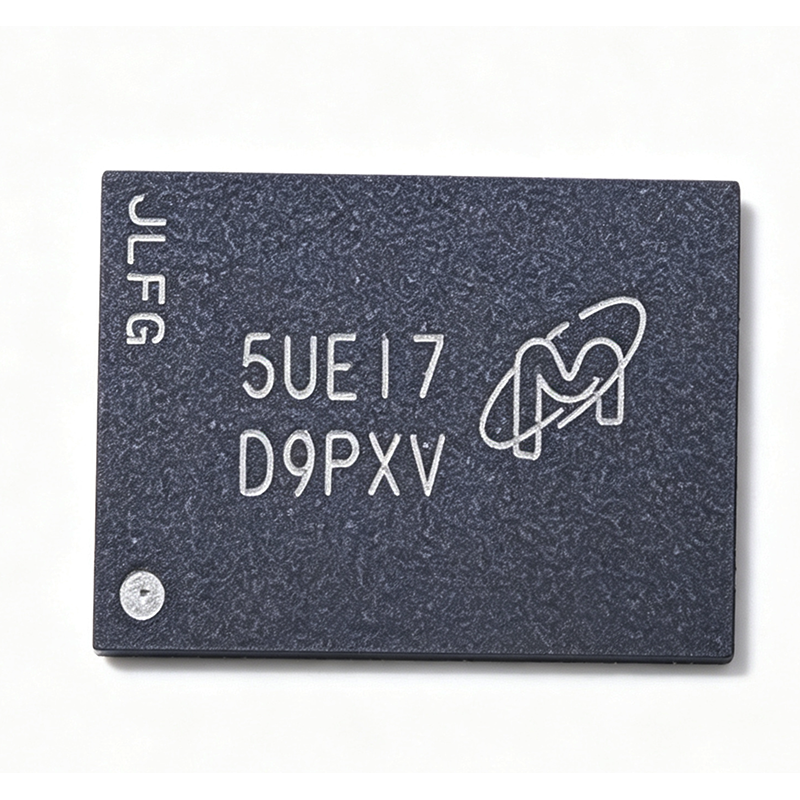
MT41K256M16HA-125 - 4Gbit DDR3L SDRAM 800MHz | Micron
The Micron MT41K256M16HA-125 is a 4Gbit DDR3L SDRAM organized as 256M x 16, operating at 1.35V with a clock speed of 800 MHz (DDR3L-1600). It is housed in a 96-ball FBGA (9x14mm) package, offering a compact footprint for high-density memory applications. This device supports parallel data transfer with a burst length of 8 and provides a CAS latency of 11 cycles, ensuring high-speed data throughput for computing and embedded systems. DDR3L SDRAM is a low-voltage variant of DDR3 memory, designed to operate at 1.35V instead of the standard 1.5V, reducing power consumption by up to 20% while maintaining compatibility with DDR3L-enabled controllers. It is part of the broader DRAM family, which includes DDR3, DDR4, and LPDDR variants, each optimized for different performance and power requirements. DDR3L is widely used in mobile devices, laptops, and industrial applications where energy efficiency is critical. Key features of the MT41K256M16HA-125 include a 4Gbit density, 16-bit data bus, and a 13.75 ns access time (tRCD). It supports on-die termination (ODT) and dynamic ODT for improved signal integrity, and includes programmable CAS latency and additive latency for flexible timing. The device is RoHS compliant and lead-free, meeting environmental standards for modern electronics. Technically, the MT41K256M16HA-125 utilizes a CMOS process and features a 1.35V core supply with a separate 1.35V I/O supply. It supports auto-refresh and self-refresh modes, with a refresh interval of 7.8 us at 85C. The device includes a temperature sensor for thermal management, enabling efficient operation in high-temperature environments. The FBGA package provides excellent thermal and electrical performance, with a thermal resistance of [DATA_NEEDED: theta_JA]. Typical applications include DDR3L memory modules for laptops, embedded systems, networking equipment, and industrial PCs. Its low voltage and high density make it ideal for power-sensitive designs, while the 800 MHz speed supports bandwidth-intensive tasks such as video processing and data analytics. When designing with this device, ensure proper decoupling with 0.1uF and 1uF capacitors near the power pins, and follow the layout guidelines in the Micron datasheet to minimize signal integrity issues. The device requires a stable 1.35V supply and careful termination of the address and control lines.
MT41K256M16HA-125:E - 4Gbit DDR3L SDRAM 800MHz | Micron
The Micron MT41K256M16HA-125:E is a 4Gbit DDR3L SDRAM organized as 256M x 16, operating at a clock frequency of 800 MHz (DDR3L-1600) with a CAS latency of 13.75 ns. It is housed in a 96-ball FBGA package (9x14 mm) and is lead-free. This memory IC is designed for low-voltage operation at 1.35V (DDR3L) while maintaining compatibility with standard 1.5V DDR3 systems, making it ideal for power-sensitive applications. DDR3L SDRAM is a low-voltage variant of DDR3 SDRAM, which is a type of synchronous dynamic random-access memory that transfers data on both edges of the clock signal. DDR3L operates at 1.35V, reducing power consumption by about 15% compared to standard DDR3 (1.5V), while offering the same performance. It is part of the DRAM family, which includes SDRAM, DDR, DDR2, DDR3, and DDR4, and is widely used in computing, networking, and embedded systems. Key features include a 4Gbit density, 16-bit data bus, 800 MHz clock speed, and a 13.75 ns CAS latency. The device supports on-die termination (ODT), programmable CAS latency, and burst lengths of 8 and 4 (with burst chop). It operates over a temperature range of 0°C to +95°C (TC) and is RoHS compliant. The 96-ball FBGA package (9x14 mm) is optimized for high-density PCB layouts. Technically, the MT41K256M16HA-125:E uses a CMOS process and features a 16n prefetch architecture, enabling high data rates. It includes auto-refresh and self-refresh modes, with a refresh period of 7.8 us at 85°C. The device supports DLL (Delay-Locked Loop) for precise timing and features programmable read and write latencies. Its low-voltage operation reduces I/O power, making it suitable for battery-powered devices. Typical applications include DDR3L memory modules for laptops, embedded systems, networking equipment (routers, switches), and industrial computing. Its low power and high density make it ideal for applications requiring large memory capacity with minimal power consumption. When designing with this device, ensure proper decoupling capacitors near the VDD and VDDQ pins, and follow the PCB layout guidelines in the Micron datasheet to minimize signal integrity issues. The device requires a 1.35V supply for VDD and VDDQ, and a separate VREF voltage for the address/command bus.
MT41K256M16HA-125IT:E - 4Gb DDR3L SDRAM 800MHz | Micron
The Micron MT41K256M16HA-125IT:E is a 4Gb DDR3L SDRAM organized as 256M x 16, operating at a clock speed of 800 MHz with a CAS latency of 13.75 ns. It is housed in a 96-ball FBGA package (9x14 mm) and operates from a 1.35V supply, making it ideal for low-power applications. This memory IC supports parallel interface and is lead-free and RoHS compliant. DDR3L SDRAM is a low-voltage variant of DDR3 SDRAM, operating at 1.35V instead of the standard 1.5V, reducing power consumption by up to 20% while maintaining compatibility with DDR3L and DDR3 systems. It is part of the DRAM memory hierarchy, providing high-speed, volatile storage for computing and embedded systems. Key features include a density of 4Gb, 256M words of 16 bits each, and a data rate of 800 MHz (DDR3L-1600). The device supports auto self-refresh, auto precharge, asynchronous reset, data mask, dynamic on-chip termination (ODT), ZQ calibration, and write leveling. These features enhance signal integrity and simplify system design. The MT41K256M16HA-125IT:E uses a CMOS process and operates over a temperature range of -40°C to +95°C, suitable for industrial applications. The 96-ball FBGA package with a 9x14 mm footprint is optimized for space-constrained designs, offering excellent thermal and electrical performance. Typical applications include networking equipment, servers, industrial computing, and embedded systems where high memory density and low power are critical. The 1.35V operation reduces thermal load, making it suitable for compact, fanless designs. When designing with this device, ensure proper decoupling capacitors near the power pins and follow Micron's layout guidelines for DDR3L to maintain signal integrity at 800 MHz. The device supports write leveling and ODT, which should be configured according to the memory controller requirements.